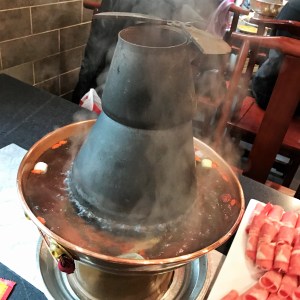
 Our last meal in Beijing was 涮肉 (typically mutton shabu shabu), and we wanted to try the 老北京铜锅 which is a traditional bronze hotpot with charcoal inside and a trench of water at the rim for shabu-ing the meat.
We found one near our hotel that looked quite traditional (because it’s housed in an old traditionally-looking building which we later realized was what the name of the restaurant 四牌楼 referred to) and had a few customers and has the words 百年老店 (which meant that it was a time-tested brand and literally around for 100 years), so we figured it should not be too bad.
Of course, there were also many restaurants that claimed to be 百年老店 or 老字号 as we had found out in this trip, haha.
 We were still feeling full from
 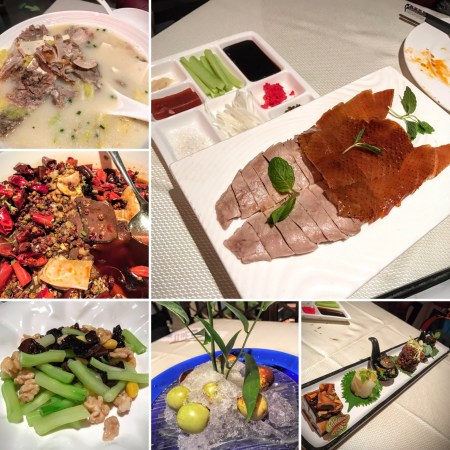 四季民福 Siji Minfu was another highly recommended place to go to for Peking Duck, and there was a relatively new outlet near the East Exit of 故宫博物院 The Palace Museum where one could savour the majestic beauty of the palace while munching on the delectable ducks (if you can get a seat by the window, that is).
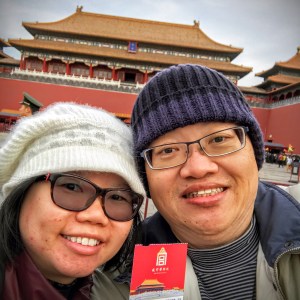 We had originally intended to visit 故宫博物院 The Palace Museum aka 紫禁城 Forbidden City earlier on in our trip, but we had to exclude: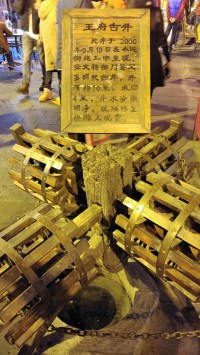
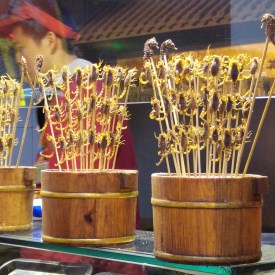 王府井 Wangfujing is a popular shopping area in Beijing with big shopping malls gathered along the main walking street.
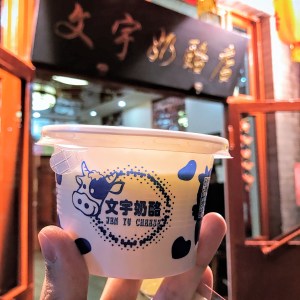 Constructed in Year 1267 in the Yuan Dynasty, 南锣鼓巷 South Luogu Alley is located in one of the most popular preserved hutong areas, with locals living in the surrounding. There were officers and signboards at the little alleys when we walked along the stretch of 南锣鼓巷 South Luogu Alley, to remind visitors not to disturb the residents.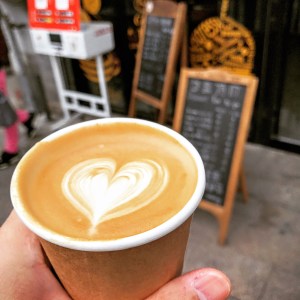
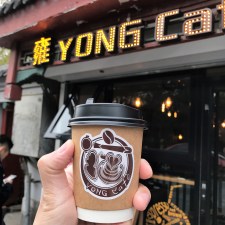 We were on our way to 雍和宫 Lama Temple when we spotted 雍Cafe Yong Cafe having 50% discount for takeaway coffee.
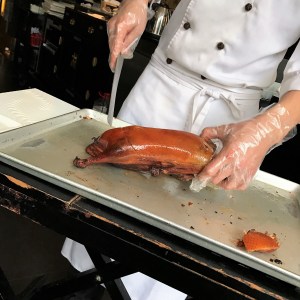 Peking duck is one of the must-try when one is in Beijing. With prices ranging from relatively cheap ¥100+ per bird to exorbitant (¥888 for roast duck coated in real gold), we are really spoilt for choice!
 Eat.Eat.Walk.Walk . 吃吃走走